

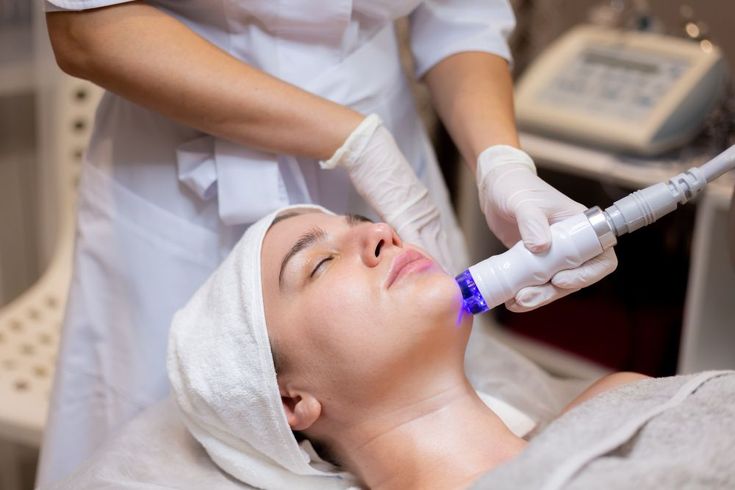
A Beginner’s Guide to Gentle Skin Resurfacing for Sensitive Skin
Having sensitive skin often means being more careful when choosing treatments that improve texture, tone, and signs of aging. While many people want smoother, brighter skin, traditional resurfacing procedures can sometimes feel too aggressive for those prone to redness, irritation, or discomfort.
Table of Contents
ToggleThe good news is that modern skincare technology offers gentle skin resurfacing options designed to refresh the complexion while respecting the skin’s natural barrier. Understanding how these Venus Viva Skin Resurfacing in The Woodlands treatments work and what to expect can help beginners make informed decisions about their skincare journey.
What Is Skin Resurfacing?
Skin resurfacing refers to treatments that improve the appearance and quality of the skin by removing damaged cells, stimulating renewal, or encouraging collagen production.
These treatments can help address common concerns such as:
- Uneven skin texture
- Dull complexion
- Fine lines
- Mild pigmentation
- Enlarged pores
- Early signs of aging
Traditional resurfacing methods often focused on stronger procedures with longer recovery periods. Today, gentler approaches allow sensitive skin types to benefit from rejuvenation with reduced irritation.
Why Sensitive Skin Requires a Gentle Approach
Sensitive skin reacts more easily to environmental factors, skincare ingredients, and cosmetic procedures. A treatment that works well for one person may cause discomfort or inflammation for another.
People with sensitive skin may experience:
- Redness
- Burning sensations
- Dryness
- Tightness
- Increased sensitivity after treatments
Because of this, gentle resurfacing focuses on improving skin quality while protecting the skin barrier and minimizing unnecessary stress.
Gentle Laser Resurfacing Options
Laser treatments are not all the same. While some aggressive lasers remove layers of skin, gentler laser technologies work more gradually to stimulate improvement.
Non-ablative laser treatments can help encourage collagen production without removing the outer skin layer. These options are often considered for people who want smoother texture and improved tone with less downtime.
Benefits may include:
- Gradual skin renewal
- Improved firmness
- Reduced appearance of fine lines
- More balanced skin tone
A professional consultation is important because laser settings can be adjusted based on skin sensitivity and individual goals.
Microneedling as a Gentle Resurfacing Method
Microneedling is another popular option for people looking for a controlled approach to skin rejuvenation. The treatment uses tiny needles to create microscopic channels in the skin, triggering the body’s natural repair process.
This collagen-building response may improve:
- Skin texture
- Fine lines
- Mild acne scars
- Uneven appearance
For sensitive skin, treatment intensity can often be adjusted to reduce irritation and support a comfortable recovery.
Chemical Peels for Sensitive Skin
Chemical peels can also be adapted for sensitive skin when the right formula and strength are selected.
Gentler peels often use milder acids that exfoliate dead skin cells without causing excessive irritation.
Possible benefits include:
- Brighter skin
- Smoother texture
- Reduced dullness
- Improved surface clarity
Sensitive skin generally responds better to lighter peels performed gradually rather than aggressive treatments.
Preparing Your Skin Before Resurfacing
Proper preparation can make a significant difference in how your skin handles a resurfacing treatment.
Before your appointment:
- Avoid harsh exfoliating products
- Pause strong active ingredients if recommended
- Keep your skin hydrated
- Use sunscreen consistently
- Inform your provider about previous reactions
A healthy skin barrier is better equipped to recover after treatment.
What to Expect During Recovery
Gentle resurfacing usually involves less downtime than aggressive procedures, but some temporary effects are still normal.
You may experience:
- Mild redness
- Slight sensitivity
- Dryness
- Light peeling
- Temporary tightness
Recovery varies depending on the treatment type and your individual skin response.
During healing, focus on:
- Using gentle cleansers
- Applying moisturizer regularly
- Avoiding direct sun exposure
- Wearing daily sunscreen
How to Choose the Right Treatment
The best resurfacing option depends on several factors, including:
Your Main Skin Concern
Different treatments work better for different goals. For example:
- Texture issues may respond well to microneedling
- Pigmentation concerns may benefit from certain laser or peel options
- Early aging signs may improve with collagen-stimulating treatments
Your Skin Sensitivity Level
A professional can adjust treatment strength based on how reactive your skin is.
Your Lifestyle
If you need minimal downtime, gentler treatments may be a better match than intensive resurfacing procedures.
Common Mistakes to Avoid With Sensitive Skin
People with sensitive skin should avoid rushing into aggressive treatments without proper evaluation.
Common mistakes include:
- Choosing treatments based only on popularity
- Using too many active skincare products at once
- Ignoring sunscreen after treatment
- Skipping professional advice
- Expecting instant results
Healthy skin improvement often happens gradually through consistent care.
The Importance of Long-Term Skin Protection
Even the best resurfacing treatment cannot replace daily skincare habits. Protecting your skin after treatment helps maintain results and prevents future damage.
Important habits include:
- Applying broad-spectrum sunscreen daily
- Keeping skin moisturized
- Avoiding excessive sun exposure
- Using products suitable for sensitive skin
- Maintaining a consistent routine
Final Thoughts
Gentle skin resurfacing provides sensitive skin types with opportunities to improve texture, brightness, and overall appearance without relying on overly aggressive procedures. Treatments like mild laser resurfacing, microneedling, and customized chemical peels can support healthier-looking skin when performed correctly.
The key is choosing a treatment that matches your skin’s needs, preparing properly, and following professional aftercare recommendations. With the right approach, sensitive skin can achieve a smoother, more refreshed complexion while maintaining its natural balance.
