

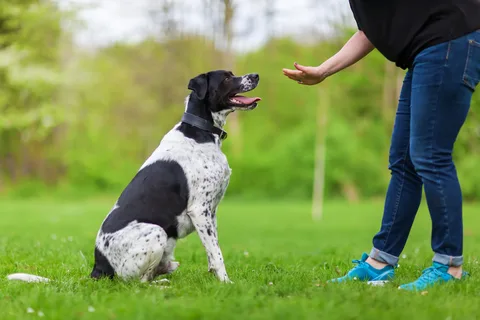
Dog Behavior Assessment Phoenix for Better Training
Every dog has its own personality, experiences, triggers, and learning patterns. A dog behavior assessment Phoenix approach helps owners understand these factors before choosing a training strategy. Instead of treating every behavior problem the same way, an assessment looks at what happens, when it happens, and what may be influencing the dog’s response.
For Phoenix-area dog owners, this can be especially useful when dealing with barking, leash pulling, jumping, fear, reactivity, separation-related behaviors, or difficulty responding to commands. A thoughtful assessment creates a clearer starting point for practical training and long-term behavior improvement.
Why a Dog Behavior Assessment Matters
Unwanted behavior is often a form of communication. A dog may bark because of excitement, fear, frustration, territorial responses, or learned habits. Similarly, pulling on the leash can have different causes depending on the dog, environment, and previous experiences.
A behavior assessment helps identify patterns rather than focusing only on the visible problem. Understanding the circumstances surrounding a behavior can make training more targeted and consistent.
A useful assessment may consider:
- The dog’s age, breed, and individual temperament
- Previous training and learning experiences
- Daily exercise and mental stimulation
- Social interactions with people and other dogs
- Common triggers and environmental distractions
- The frequency and intensity of unwanted behaviors
- How household members respond to those behaviors
- The dog’s ability to focus and respond to cues
This information gives owners and trainers a more complete picture of the dog’s needs.
What Happens During a Dog Behavior Assessment Phoenix Session?
A quality assessment should go beyond asking, “What is your dog doing wrong?” The more useful question is, “What is happening before, during, and after the behavior?”
For example, consider a dog that reacts whenever another dog approaches. The assessment might examine the distance between the dogs, the dog’s body language, the owner’s response, the environment, and what happens after the reaction.
This context can reveal patterns that are difficult to recognize during everyday routines.
Looking at Triggers and Responses
Triggers are situations, objects, sounds, people, animals, or environments that can influence a dog’s behavior. Common examples include unfamiliar visitors, other dogs, traffic, loud noises, handling, crowded areas, or changes in routine.
Recognizing triggers allows training to be planned around manageable situations. Owners can then practice appropriate responses instead of repeatedly placing the dog in situations where it becomes overwhelmed.
Understanding Body Language
Dogs communicate through much more than barking or growling. Posture, facial expression, ear position, tail movement, eye contact, and changes in movement can provide useful behavioral information.
Learning to recognize these signals can help owners respond earlier. Catching signs of stress, excitement, uncertainty, or frustration before behavior escalates may create better opportunities for redirection and reinforcement.
Common Reasons Phoenix Dogs Need Behavioral Support
Dog training is not limited to teaching basic obedience. Behavioral support can be useful when everyday challenges interfere with communication, safety, or quality of life.
Some common concerns include:
- Leash reactivity
A dog may bark, lunge, pull, or become difficult to redirect around other dogs, people, bicycles, or vehicles. - Excessive barking
Barking can develop around visitors, noises, environmental activity, excitement, or attention-seeking patterns. - Jumping and inappropriate greetings
Dogs that become overly excited around people may need structured practice for calmer greetings. - Poor impulse control
Waiting, settling, leaving objects alone, and responding around distractions are important everyday skills. - Fear and anxiety-related behaviors
Some dogs struggle with unfamiliar environments, noises, handling, separation, or particular situations. - Difficulty with social interactions
Dogs can benefit from carefully managed exposure and appropriate communication around people and other animals.
Identifying the underlying pattern is an important step before deciding how to address these concerns.
Building a Training Plan Around the Individual Dog
One of the biggest advantages of a behavioral assessment is personalization. A training plan should reflect the dog’s current skills, environment, motivation, and specific challenges.
For example, a dog that understands “sit” at home may struggle to respond when surrounded by distractions. That does not necessarily mean the dog has forgotten the command. The environment may simply be more challenging than the dog’s current level of training.
A practical training progression can include:
- Starting in a low-distraction environment
- Teaching clear communication cues
- Rewarding desired responses consistently
- Gradually introducing controlled distractions
- Increasing difficulty as the dog becomes successful
- Practicing skills in different locations
- Maintaining realistic expectations throughout the process
Small, repeatable successes can help establish reliable behaviors over time.
The Role of Consistency in Dog Behavior Training
Dogs learn from repeated interactions with their environment. If one person allows a behavior while another discourages it, the dog may receive inconsistent information about what is expected.
Household consistency can involve using the same verbal cues, reinforcing desired behaviors, managing predictable triggers, and establishing clear routines.
Training also works best when practice becomes part of everyday life. Short sessions during walks, feeding routines, greetings, and normal household activities can reinforce skills without requiring lengthy formal workouts every day.
How Owners Can Prepare for a Behavior Assessment
Owners can make an assessment more useful by observing their dog before the session. Keeping notes can help identify patterns that might otherwise be overlooked.
Consider recording:
- What behavior occurs
- Where it happens
- What happens immediately beforehand
- Who or what is present
- How the dog responds
- How long the behavior lasts
- What happens afterward
- What strategies have already been attempted
Video recordings can also provide useful context when a behavior does not occur during an appointment.
Owners should be honest about previous training methods and challenges. Accurate information gives the trainer a stronger foundation for developing practical recommendations.
When Behavior Changes Suddenly
A sudden change in behavior deserves attention. If a normally social or responsive dog suddenly becomes unusually fearful, aggressive, withdrawn, restless, or sensitive to touch, owners should consider whether an underlying health issue could be involved.
Behavior professionals can help evaluate training and environmental factors, while veterinary professionals can assess potential medical causes. These areas can overlap, so appropriate professional guidance is important when behavior changes unexpectedly.
Creating Better Communication Between Dogs and Owners
Successful training is not simply about getting a dog to obey commands. It is about creating clearer communication between the dog and the people responsible for its care.
A dog behavior assessment Phoenix service can provide a structured starting point for understanding individual behavior and identifying practical training priorities. Instead of relying on generic advice, owners can focus on the situations that actually affect their dog’s daily life.
The most useful progress often comes from realistic goals, consistent reinforcement, careful management, and ongoing practice. When owners understand why a behavior occurs and what response they want to encourage instead, training becomes easier to apply in everyday situations.
For Phoenix dog owners looking for individualized guidance, Rob’s Dog Training provides professional dog training support designed around the needs of individual dogs and their owners. Learn more about available training options at robsdogs.
